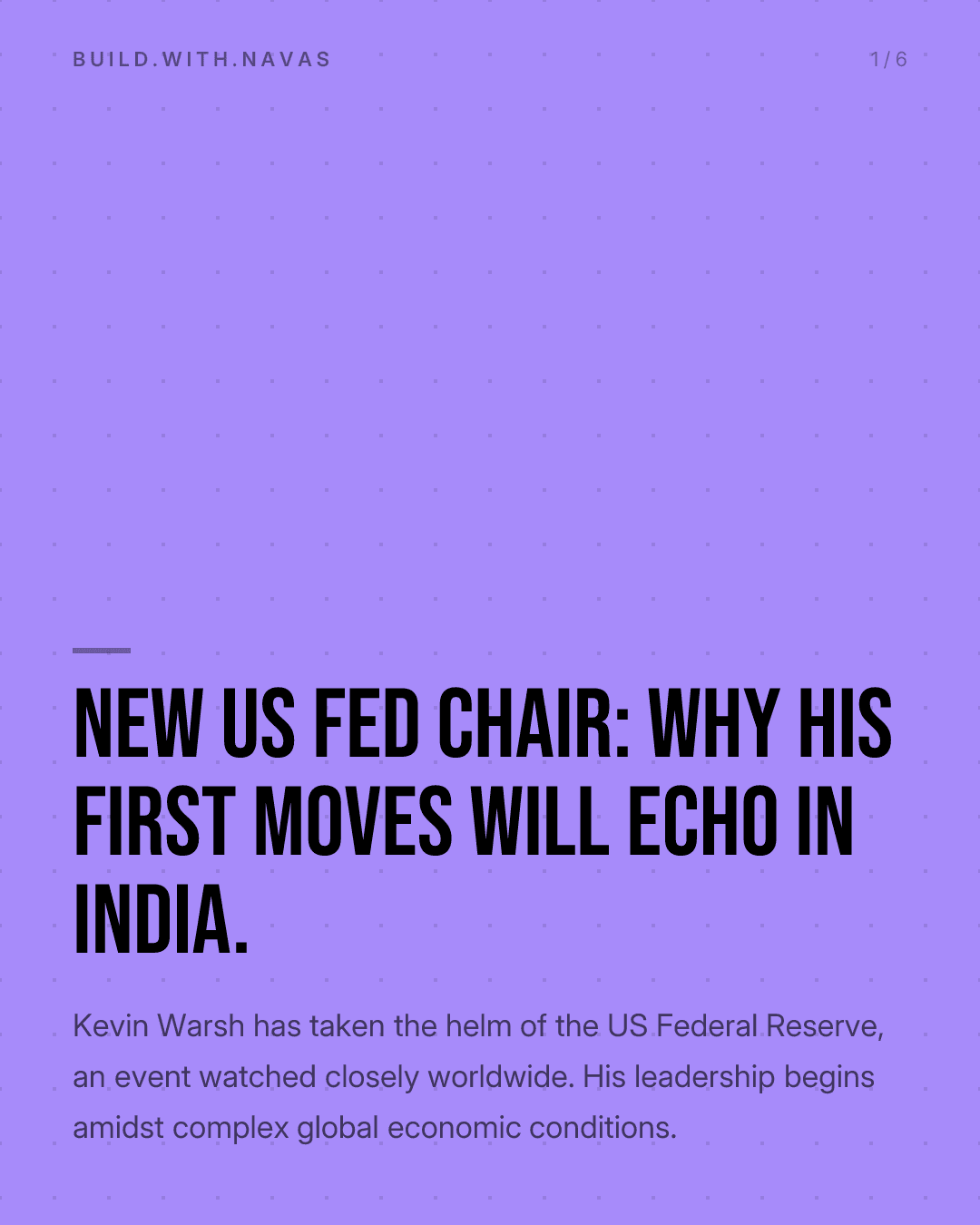
New US Federal Reserve Chair Takes the Helm Amidst Global Economic Crosswinds
Kevin Warsh has officially assumed the role of Chair of the US Federal Reserve, a significant development that is being closely monitored by economies worldwide. His tenure begins at a moment of considerable complexity in the global economic landscape, with a range of pressing issues requiring the attention of the central bank's new leadership.
Historic Swearing-In Highlights Significance of Federal Reserve Leadership
The formal swearing-in ceremony for the new Fed Chair, held at the White House, was a notable event, marking the first instance since 1987 that a US President has publicly hosted such an occasion. This public demonstration of presidential involvement underscores the immense weight and national importance placed on the Federal Reserve's leadership and its mandate.
Presidential Mandate for Independence Amidst Rate Cut Calls
During the ceremony, President Trump offered a directive to the new Chair, reportedly advising him to 'just do a great job' and 'don’t look at me,' a sentiment emphasizing the expectation of independent decision-making. This advice arrives despite the President's previous public expressions favoring interest rate reductions, adding a layer of complexity to the Fed's operational environment.
Pressing Economic Challenges Define New Chair's Immediate Agenda
Warsh steps into the role facing a landscape of rising inflation, increasing mortgage rates, and upward pressure on treasury yields. These immediate economic challenges present a demanding agenda for the new leadership, requiring strategic responses to manage inflationary pressures and maintain financial stability within the United States. The effectiveness of these initial responses will set the tone for his term.
India's Financial Markets Sensitive to US Federal Reserve Policy Shifts
The Federal Reserve's policy decisions, particularly concerning interest rates, have a substantial impact on global capital flows, creating a direct link to India's financial markets. Changes in US monetary policy can influence capital inflows and outflows, affecting the valuation of the Indian rupee and the performance of domestic stock markets. Consequently, the actions of the new Fed Chair will be scrutinized for their potential ripple effects on foreign investment and the stability of the Indian currency.