Controversy Casts Shadow Over CBSE's Digital Examination Rollout
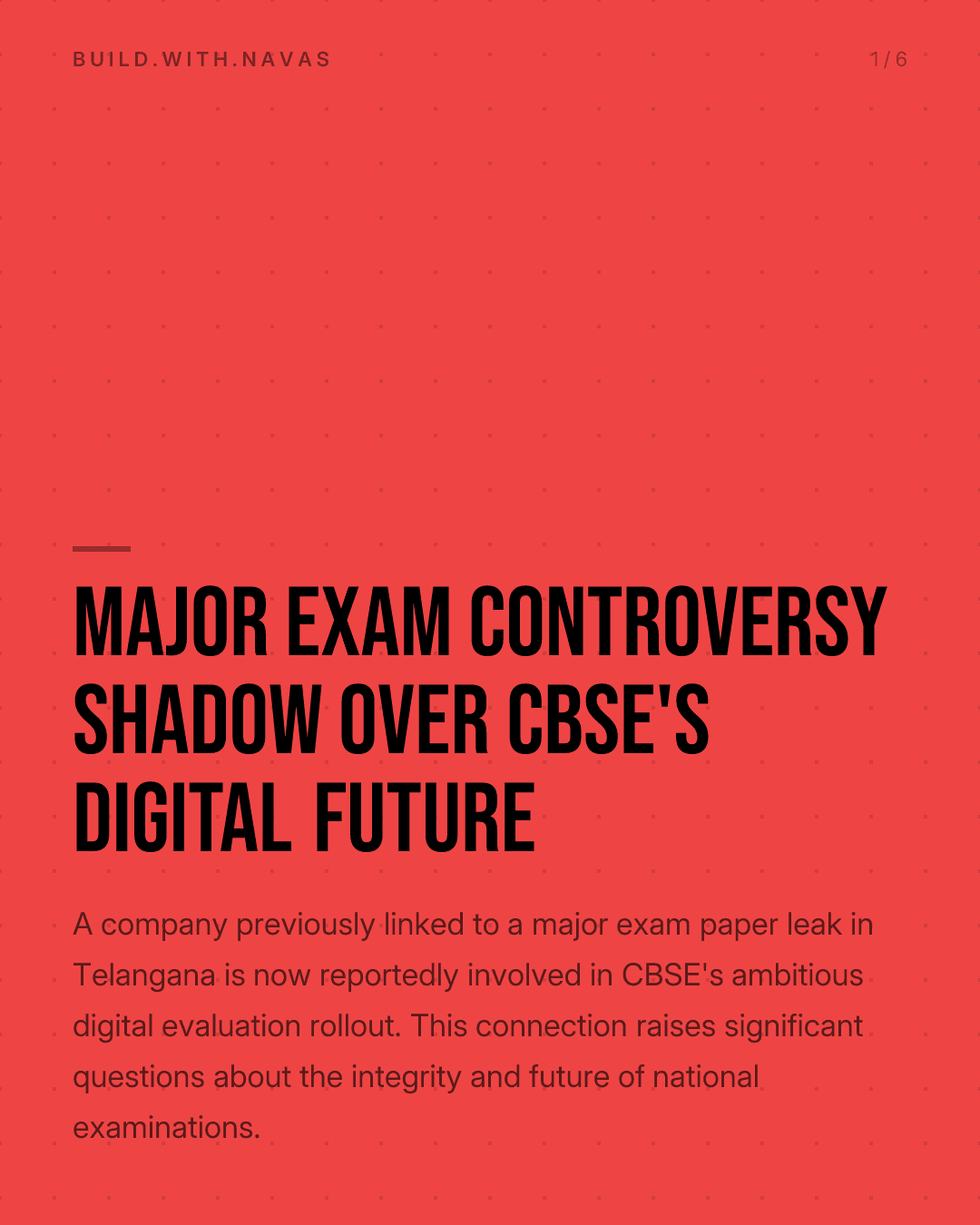
Concerns have been raised regarding the integrity of the Central Board of Secondary Education's (CBSE) ambitious move towards digital evaluation for board examinations. Reports indicate that a company previously linked to a significant exam paper leak scandal in Telangana is reportedly involved in the technological rollout of CBSE's new digital assessment system. This alleged association has ignited questions about the security and trustworthiness of national examinations as the board embarks on a substantial technological shift.
Lessons from the Telangana Exam Scandal
The company's past entanglement in a major exam paper leak controversy in Telangana led to widespread student protests and intense government scrutiny. The incident severely undermined public confidence in the fairness and accuracy of the examination process in the state. This history now casts a long shadow over its potential involvement in a critical national project that affects millions of students.
CBSE's Digital Ambitions and Accountability Demands
CBSE is pursuing a digital evaluation system with the stated aim of enhancing efficiency and accuracy in grading board exams, representing a significant technological upgrade. However, the reported involvement of a company with a controversial track record in this crucial initiative has brought the integrity of the entire national project under intense scrutiny. Education stakeholders and student advocacy groups are now urgently calling for greater transparency in the vendor selection process and a comprehensive review of all involved parties to prevent the recurrence of past failures on a national scale.